
The Women Who Offer Rooms
Maigret and the Dead GirlThis flow traces the different kinds of shelter offered by Madame Crêmieux and Elisabeth Coumar, where companionship and dependence coexist.
increasing Bearing strength in each event
 decreasing
Bearing strength in each eventdecreasingA Widow Opens a Room
A Widow Opens a Room
A Large Flat and a Small Need
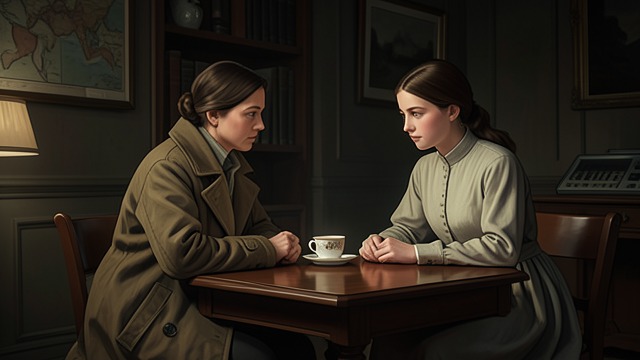
Madame Crêmieux rents Louise a room in her spacious apartment. She wants the income, but also hopes for a young companion who will share tea, conversation, and household life.
Companionship with Conditions
Louise treats the flat like a hotel and avoids the landlady’s questions. The arrangement offers privacy and shelter, but Madame Crêmieux expects a degree of emotional reciprocity that Louise is unable or unwilling to give.
An Unanswered Cup of Tea
An Unanswered Cup of Tea
Attempts at Conversation
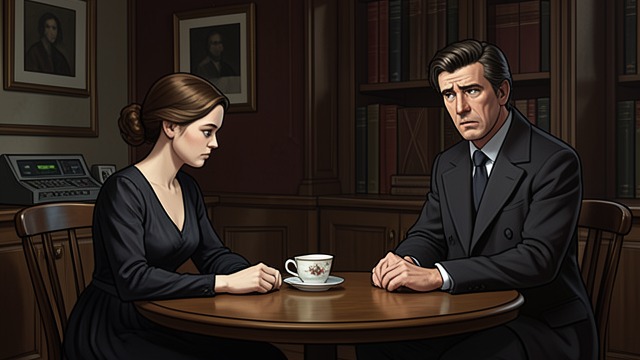
Madame Crêmieux sometimes invites Louise to sit with her over tea or coffee. Louise rarely answers, keeping her past, family, and work to herself.
Loneliness Misread as Insolence
The landlady interprets silence as bad manners, while Maigret later sees a woman who is difficult to place and perhaps shy. The failed conversations show how a need for company can become resentment when the other person cannot respond as expected.
Eviction as a Break
Eviction as a Break
Rent and Frustration
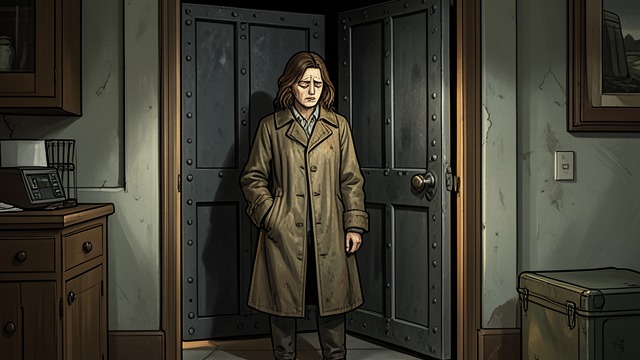
Louise has paid only part of what she owes, and Madame Crêmieux gives her notice. The landlady sees herself as patient but feels that Louise has refused the ordinary courtesies that might have earned further kindness.
Shelter Withdrawn
Louise accepts the decision without arguing. The room’s end leaves her without a dependable home and transforms a strained relationship into one more sudden loss of support.
Coumar Takes in Viviane
Coumar Takes in Viviane
A Protégée at the Shop
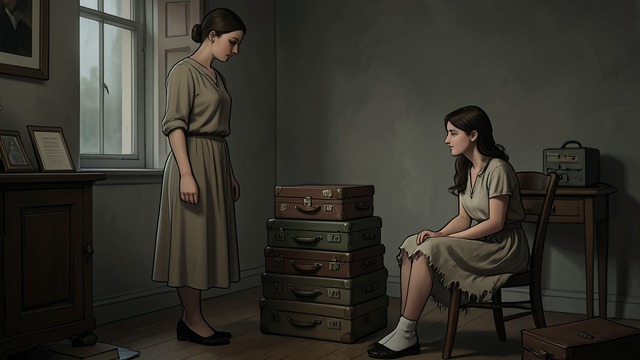
Elisabeth Coumar has taken in Viviane, a young woman with nowhere to go. She describes her as a protégée rather than a servant, suggesting that the arrangement began as an act of shelter.
Care and Dependence
Viviane moves quietly and responds quickly to Coumar’s requests. The relationship contains generosity but also a clear imbalance of power, echoing the complicated arrangements that arise when survival depends on another person’s goodwill.
Two Forms of Kindness
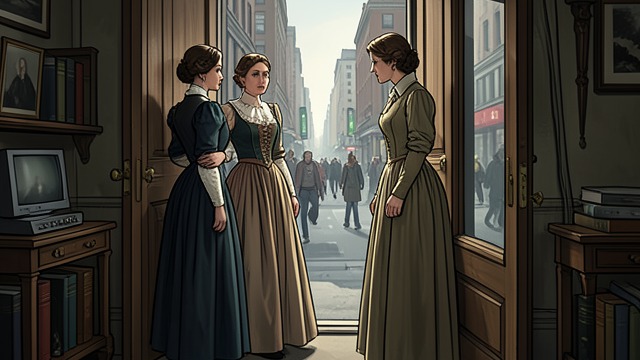
Two Forms of Kindness
Different Uses of Shelter
Madame Crêmieux rents a room and expects company; Elisabeth Coumar takes in girls who need refuge and work. Both women offer practical help, but neither arrangement is free of dependence or personal need.
A Wider Social Pattern
Jules Maigret recognizes that lonely women in Paris may create surrogate households with younger strangers. The pattern complicates easy judgments about generosity, exploitation, and what a room can mean to someone who has no home.
Around New Year, before the murder
During Louise’s stay on Rue de Clichy
Three days before Louise disappears
Before the murder, during Louise’s visits to the shop
During Maigret’s conversations with both women
